Foundations Poured Without Cold Joints
Foundation Concrete Pumping in Yakima for continuous pours that prevent mid-pour gaps and structural compromise
A cold joint forms when concrete placement stops long enough for the first section to set before the next section arrives, creating a permanent weak plane in the foundation that freeze-thaw cycles will exploit. Tripl-E Concrete Pumping stages pump equipment to complete residential and commercial foundation pours in one uninterrupted pass, eliminating the risk of cold joints that compromise structural integrity. Yakima Valley soils and the region's hard freeze-thaw cycles make continuous pour delivery a necessity, not a convenience, for foundation work in build zones.
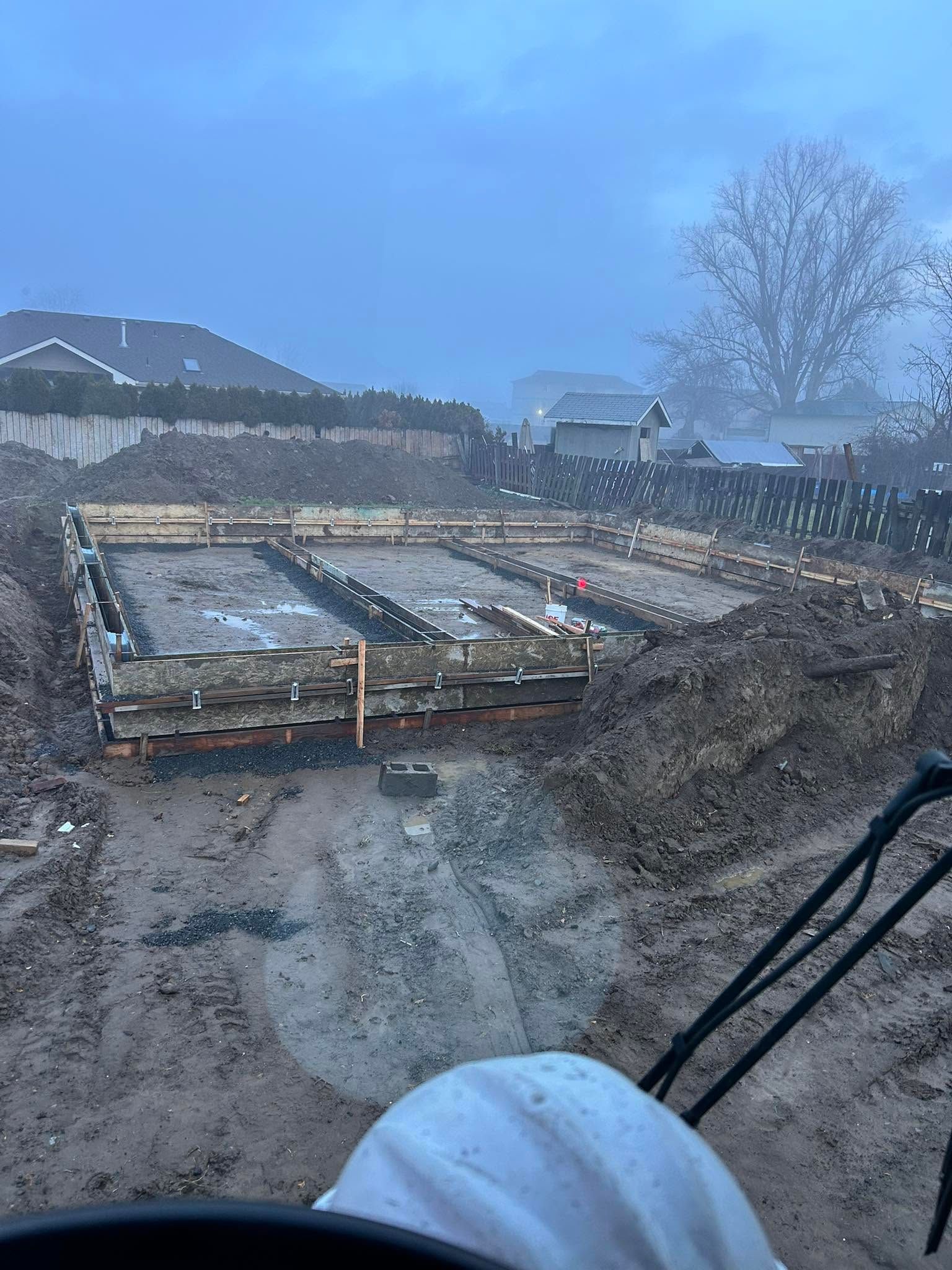
Foundation concrete pumping delivers mix at a steady rate matched to the pour volume and crew speed, allowing the entire foundation to cure as a single monolithic structure. The pump positions before the pour begins, and delivery continues without stops until forms fill completely. This approach prevents the delays that cause cold joints when trucks wait in queue or crews struggle with manual concrete transport across the site.
Request a pour timeline estimate based on your foundation volume and site access conditions.
Why Continuous Foundation Delivery Matters
The pump stages on site with capacity to handle the full foundation volume, then delivers concrete at a consistent flow rate that your finishing crew can work with continuously. Concrete bonds chemically only when the next section pours onto material that hasn't begun to set, and pump delivery maintains that timing across the entire foundation footprint. Manual placement methods and chute pours depend on truck arrival timing and crew speed, which introduces variables that continuous pump delivery removes.
Once the pour finishes, the foundation cures as a single structural unit without the visible seam lines or strength differentials that cold joints create, and you avoid the long-term risk of water intrusion or crack propagation along the weak plane where two separate pours meet. The foundation performs as engineered, with uniform load distribution across the full footing and wall thickness.
Foundation pumping does not include rebar placement, form construction, or grading work. The service delivers concrete into prepared foundation forms, and consolidation and finishing remain your crew's responsibility. If your foundation design includes multiple isolated pads or footings rather than a continuous perimeter, each section still benefits from uninterrupted delivery to eliminate internal cold joints.
Answers to Frequent Service Questions
Foundation pump questions often focus on timing and coordination, particularly for builders working in active Yakima Valley residential zones.
What happens if concrete delivery trucks are delayed during the foundation pour?
The pump holds material already in the line and maintains placement readiness, but prolonged truck delays can still create cold joint risk—pre-pour coordination with your ready-mix supplier confirms truck sequencing before the first load arrives.
How does the pump operator match delivery rate to crew finishing speed?
Flow rate adjusts at the pump controls based on real-time feedback from the crew working the forms, allowing finishers to keep pace without rushing or waiting.
What site conditions are required for foundation pump setup?
The pump needs stable ground for outrigger placement and clear access to foundation forms—these details get confirmed during a pre-pour site evaluation specific to your lot layout.
When is foundation pumping necessary instead of chute placement?
Foundation pours requiring continuous delivery to avoid cold joints, or sites where truck access to forms is blocked, benefit from pump placement—Yakima Valley's freeze-thaw conditions make cold joint prevention a priority.
How long does a typical residential foundation pour take with pump delivery?
Pour duration depends on foundation volume and crew size, but pump delivery eliminates the stop-and-start delays that extend timeline and create cold joint risk.
Tripl-E Concrete Pumping is locally owned, fully insured, and operates as a boom-only specialist across the Yakima Valley. When your project requires reliable reach and zero surprises on pour day, arrange a pre-pour site consultation to confirm placement logistics and equipment requirements.